


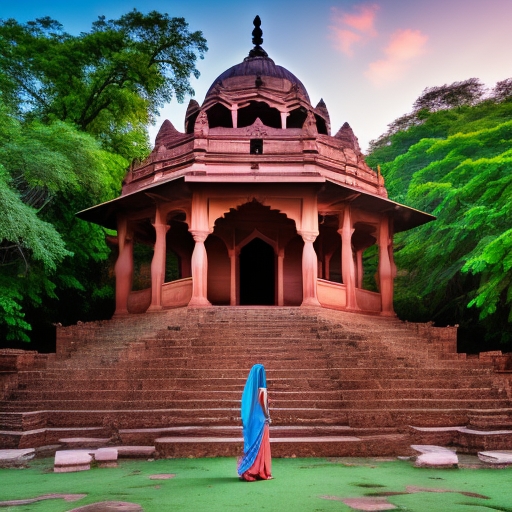
Beyond the Palaces: Discovering the Unexplored Side of Rajasthan
Rajasthan is a land that needs no introduction. Its name conjures images of the pink hues of Jaipur, the shimmering lakes of Udaipur, and the golden sands of Jaisalmer. However, the true essence of India’s largest state often lies hidden away from the flashbulbs of clicking cameras and crowded tourist circuits.
Beyond the popular “Golden Triangle” extensions lies a Rajasthan of quiet stepwells, crumbling yet magnificent frescoes, misty hill stations, and tribal heartlands. If you are a traveler who prefers the whisper of history over the roar of a crowd, this guide to the unexplored side of Rajasthan is for you.
Table of Contents
1. Shekhawati: The Open-Air Art Gallery (shekhawati)
2. Bundi: The Blue City’s Best-Kept Secret (bundi)
3. Banswara: The City of a Hundred Islands (banswara)
4. Barmer: The Raw Desert Soul (barmer)
5. The Kiradu Temples: The Khajuraho of Rajasthan (kiradu)
6. Practical Tips for Offbeat Travel (tips)
7. Frequently Asked Questions (FAQs) traveller
1. Shekhawati: The Open-Air Art Gallery
While most tourists head to the desert forts, the Shekhawati region—comprising towns like Mandawa, Nawalgarh, and Fatehpur—offers a visual feast unlike any other. Known as the “Open-Air Art Gallery of Rajasthan,” this region was once home to wealthy Marwari merchants who competed to build the most ornate *Havelis* (mansions).
Every inch of these mansions is covered in intricate frescoes. What makes Shekhawati unique is the blend of traditional motifs and colonial influence; you’ll see paintings of ancient myths sitting alongside depictions of 19th-century British steam engines and gramophones. Walking through the narrow lanes of Nawalgarh feels like stepping into a living museum where history hasn’t been polished for tourists but remains etched in the peeling plaster.
2. Bundi: The Blue City’s Best-Kept Secret
Jodhpur is famous for its blue houses, but Bundi offers a more intimate, authentic “blue” experience without the commercial hustle. Rudyard Kipling once described the Bundi Palace as “the work of goblins rather than of men,” referring to its almost supernatural architectural beauty.
Bundi is a city of stepwells (Baoris). The Raniji ki Baori is a masterpiece of Rajput architecture, featuring intricate carvings that plunge deep into the earth. Unlike the crowded forts of Jaipur, the Taragarh Fort in Bundi is overgrown with vegetation, offering a “Lost City” vibe that appeals to explorers. It is a place where you can sit by the Nawal Sagar lake and watch the sunset in total silence.
3. Banswara: The City of a Hundred Islands
Most people associate Rajasthan with arid deserts, but Banswara defies every stereotype. Located in the southern tip of the state, Banswara is known as the “Cherrapunji of Rajasthan.” During the monsoon, this region transforms into a lush green paradise.
The name Banswara comes from the “Bans” or bamboo forests that once covered the area. It is home to the Mahi Bajaj Sagar Dam, where numerous small islands emerge from the catchment area, giving it the nickname “City of a Hundred Islands.” It is a tribal-dominated belt, offering an opportunity to learn about Bhil culture, which remains largely untouched by modern tourism.
4. Barmer: The Raw Desert Soul
If Jaisalmer feels too commercialized, head further west to Barmer. This is where the Great Indian Desert shows its raw, unadulterated self. Barmer is a hub for traditional handicrafts, including wood carving, pottery, and the famous Ajrakh block printing.
A visit to the Sindhari or Chauhtan regions during local fairs allows you to witness the vibrant folk music and dance of the Kalbelia and Manganiyar communities in their natural setting. The dunes here are less traversed, providing a serene environment for those who want to experience the “Thar” without the camel-safari queues.
5. The Kiradu Temples: The Khajuraho of Rajasthan
Located about 35 km from Barmer, the Kiradu Temples are perhaps the most hauntingly beautiful ruins in Western India. This complex of five temples dates back to the 11th century. The architecture is so detailed and erotic that it has earned the title “The Khajuraho of Rajasthan.”
Despite their beauty, the temples are shrouded in local legends and a supposed curse, which keeps visitors away after sunset. The Solanki style of architecture, with its intricate pillars and celestial carvings, stands as a testament to a forgotten golden age of the Parmar dynasty. Explore more about Indian Temple Architecture to understand the significance of these structures.
Practical Tips for Offbeat Travel in Rajasthan
- Best Time to Visit-While October to March is the standard peak season, Banswara and Bundi are exceptionally beautiful during the Monsoon (July to September)
- Transportation– Offbeat locations are best explored by hiring a private taxi from hubs like Jodhpur or Udaipur. The Rajasthan State Road Transport Corporation (RSRTC) buses are also a reliable and budget-friendly option for reaching smaller towns.
- Stay in Heritage Homestays– Instead of luxury hotels, look for *Thikanas* or heritage homestays run by local families. This provides a deeper insight into Rajasthani hospitality and culture.
- Respect Local Customs-In tribal areas like Banswara or rural Barmer, always ask for permission before taking photographs of locals.
FAQS
Yes, Rajasthan is generally very safe for travelers. However, because these areas are less touristy, English may not be widely spoken. It is helpful to know basic Hindi phrases or have a local guide.
Absolutely. Shekhawati and Bundi are great for families interested in history and art. Banswara is perfect for nature lovers. However, keep in mind that medical facilities in remote areas like Barmer might be basic.
To truly enjoy the hidden side, you need at least 10–12 days. You could spend 3 days in Shekhawati, 2 days in Bundi, and 3-4 days exploring the Banswara-Dungarpur belt.
While Barmer city doesn’t require permits, if you plan to go very close to the International Border, it is always wise to check with local authorities or have your ID (Aadhar/Passport) ready at checkpoints.
Yes, Meet India Journeys specializes in catering to international guests. Whether you are seeking a Rajasthan cultural tour from Belgium or traveling from Poland or Austria, we provide knowledgeable guides and seamless logistics. We make it completely safe, comfortable, and deeply engaging for travelers flying in from cities like Warsaw or Vienna to explore the heart of rural India.
Conclusion
The “unexplored” side of Rajasthan is a reminder that there is always more to a story than what is written in the headlines. Whether it is the rain-soaked islands of Banswara or the cursed beauty of Kiradu, these hidden gems offer a soul-stirring experience that popular cities simply cannot match. On your next trip to the Land of Kings, take the road less traveled—you might just find the Rajasthan you were always looking for.
For more travel planning resources, visit the Official Rajasthan Tourism Website–https://www.tourism.rajasthan.gov.in/
Recent Posts
Beyond the Palaces: Discovering the Unexplored Side of Rajasthan

Top 7 Winter Destinations in Rajasthan for 2024
